How to Improve Your Valorant Aim and Movement Like a High-Rank Phoenix Main
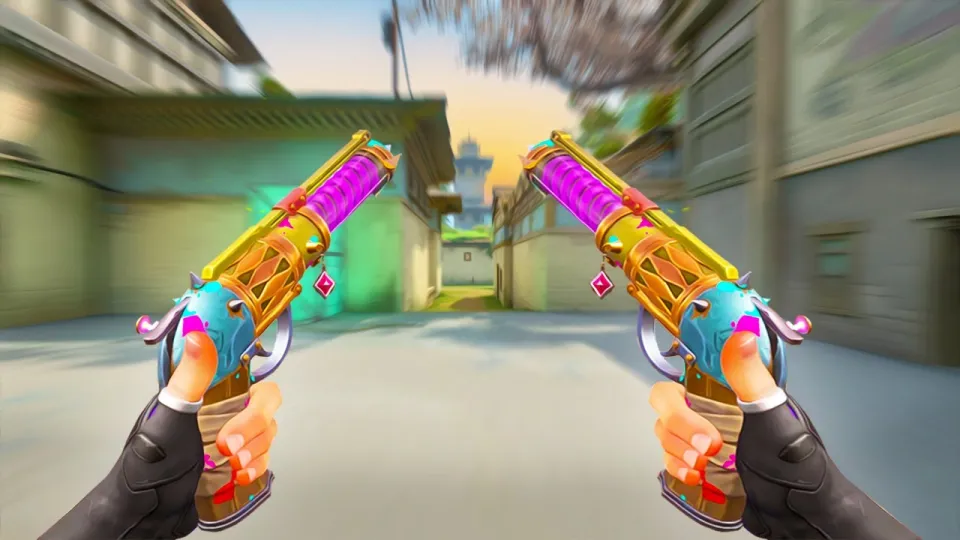
Video: 20 Minutes of Satisfying Valorant Clips
Want articles like this for your own video to promote it on YouTube and Google? Order them through the Telegram bot @sat_sit_bot. The bot writes and publishes the articles itself (with your YouTube video embedded) on popular topical websites (no ads). Free trial — 50 articles.
· based on the channel Rawzu
Key takeaways
- Rawzu plays 400 DPI with 0.625 in-game sensitivity, a 1440x1080 stretched resolution and crosshair code 1-6-2-2.
- Phoenix is an offensive duelist whose Blaze wall blocks vision and deals damage while Curveball flashes enemies even around corners.
- Hot Hands and the Run it Back ultimate make Phoenix a durable entry fragger for players who like aggressive Valorant gameplay.
- The clip compilation runs about 20 minutes and mixes Lotus and Icebox fights with viewer commentary on movement, aim and one-taps.
- Hardware in the setup: Lamzu Maya X mouse, Zowie H-SR-SE 2 Blue mousepad and a Zowie XL2566K 360Hz monitor.
Improving at Valorant comes down to three repeatable habits: lock a sensitivity you never change, drill movement-based peeking so your crosshair arrives before your body, and pick a duelist whose kit rewards the way you already play. Rawzu's 20-minute satisfying clip compilation shows all three in action, and you can watch his daily streams on Kick to see the same habits applied live in ranked.
Why Phoenix is the fastest way to learn aggressive Valorant
Phoenix is an offensive VALORANT agent who specializes in hunting enemies down while crippling their ability to fire back, which makes him the cleanest teacher of entry-fragging fundamentals. His Blaze wall blocks vision and deals damage, so you can cross open ground on maps like Lotus or Icebox without walking into three rifles. Curveball blinds opponents even when they hide behind corners, and because it curves, you can flash a site from a position where you are not exposed.
The durability layer matters just as much. Hot Hands heals Phoenix when he stands in his own fire, and Run it Back lets him die, respawn at his marker and keep the round alive. That combination means you can take the first fight of a round, lose it, and still give your team information and space. If you are a player who instinctively pushes, Phoenix converts that instinct into value instead of a death timer.
How to set up sensitivity, resolution and crosshair for consistent aim
Your settings are a contract with your muscle memory, and changing them weekly is the single fastest way to stall your Valorant progress. Rawzu's configuration is a useful reference point because it is deliberately low-sensitivity and stretched:
- Sensitivity: 400 DPI with 0.625 in-game sensitivity, which is roughly 250 eDPI. That is on the lower end, so arm aiming does most of the work and micro-adjustments stay stable.
- Resolution: 1440x1080 stretched. Enemies appear wider and easier to track, at the cost of a narrower horizontal field of view.
- Crosshair: code 1-6-2-2, a compact static crosshair that does not obscure heads at range.
- Hardware: Lamzu Maya X mouse, Zowie H-SR-SE 2 Blue mousepad and a Zowie XL2566K 360Hz monitor.
Copy the numbers, then spend a week in deathmatch without touching them. If you keep tweaking after every bad game, you never build the reference memory that makes flicks feel automatic.
Movement first, aim second: the habit behind satisfying clips
Most of what looks like insane aim in a highlight reel is actually movement that makes the shot easy. When you strafe, counter-strafe and stop cleanly before firing, your first bullet lands where the crosshair already is. When you run and shoot, no crosshair setting in the world will save the spray.
Practice this sequence in deathmatch:
- Keep your crosshair at head height while moving, not pointed at the floor.
- Strafe left or right, then tap the opposite key to kill your momentum.
- Fire only after the counter-strafe, in a two-to-three bullet burst.
- Reset and repeat until stopping feels like part of the strafe rather than a separate action.
This is also why clip compilations are useful study material rather than pure entertainment. Pause on any duel and watch the feet, not the crosshair: the player usually stops moving a fraction before the shot, and the kill looks effortless because the setup was clean.
Crosshair placement and peeking on Lotus and Icebox
Crosshair placement is the cheapest aim upgrade in Valorant because it costs nothing but attention. On Lotus, the map's three-site layout and rotating doors mean you constantly re-clear angles you already walked past, so keep your crosshair on the next plausible head height instead of dragging it along the wall.
On Icebox, the verticality is the trap. Heaven, tube and nest angles sit above default crosshair level, so a small upward adjustment before you swing is worth more than any flick. Combine that with Phoenix's Blaze wall: place it along the lane you are about to cross, then peek the angle the wall does not cover. You get the vision block for free and keep your flash for the actual site take.
A simple routine before every ranked session: one deathmatch with only counter-strafe bursts, one deathmatch with crosshair placement only, then queue. Ten focused minutes beats an hour of autopiloted aim training.
What viewers keep asking about these clips
The comment section under this compilation reads like a study group, and the recurring themes are worth addressing directly. The most common joke is that the enemies in highlight reels never shoot back or show game sense, which is fair: a compilation selects the moments where the plan worked, not the twenty rounds where it did not. Treat clips as demonstrations of mechanics and decision-making, never as a realistic win-rate forecast for your own lobbies.
Viewers also ask about the setup itself, and about the vandal economy on early rounds. Buying a Vandal plus full shield on round two only works if you won the pistol and can afford it without breaking your team's buy; otherwise you are the reason your squad has no utility on round three. Another frequent question is how supporting teammates affect these plays. In the clips, the comms are loud and positive, and that is not a coincidence: a duelist who gets traded and encouraged plays looser and takes better fights than one playing in silence.
Finally, people ask whether watching highlights actually improves their aim. It can, if you watch for the pre-aim and the stop, not just the flick. Rewatch the same duel twice: once for entertainment, once to note where the crosshair was before the enemy appeared.
Useful links from the video
- Daily streams: https://kick.com/rawzu
- Original music on Spotify: https://open.spotify.com/artist/6DbATPR1PTNMx7U918bg1Q
- Discord community: https://discord.gg/axnFwyvxp3
The bottom line on building Valorant mechanics
Valorant improvement is boring in the best way: one sensitivity, one crosshair, repeated counter-strafe drills and crosshair placement that never drops. Phoenix rewards that discipline because his wall, flash and self-heal let you take the first fight and survive the mistake, which is exactly the environment where mechanics grow fastest. Use the clip compilation as a checklist rather than a highlight reel, and study the movement before the shot. Rawzu's channel is the source of this breakdown, and his streams on Kick are the place to watch these habits hold up in real ranked games.
Source: 20 Minutes of Satisfying Valorant Clips · Markdown version
Questions & answers
What sensitivity and DPI does Rawzu use in Valorant?
The setup shown is 400 DPI with 0.625 in-game sensitivity, which works out to roughly 250 eDPI. That is a low-sensitivity, arm-aiming configuration paired with a 1440x1080 stretched resolution and crosshair code 1-6-2-2. Copy it as a starting point, then leave it alone for at least a week.
Why do enemies in Valorant highlight clips never seem to shoot back?
Because a compilation only shows the attempts that worked. For every clean entry there are rounds where the same push met three defenders and ended in a trade. Clips are useful for studying movement, crosshair placement and decision-making, but they are not a realistic picture of an average ranked lobby.
Is Phoenix a good agent for learning aggressive Valorant play?
Yes. Blaze blocks vision and deals damage so you can cross open areas, Curveball blinds enemies even behind corners, and Hot Hands plus Run it Back give you healing and a second life. That kit forgives the first mistake, which makes Phoenix a strong teacher for players who like to entry frag.
How do I actually improve my aim from watching satisfying clips?
Watch each duel twice: once normally, once focusing on the feet and the crosshair before the enemy appears. Then replicate the pattern in deathmatch with counter-strafe bursts and head-height crosshair placement. Ten focused minutes of that beats an hour of autopiloted aim training.