Rust solo survival works when one player holds a monument and turns neighbors into allies
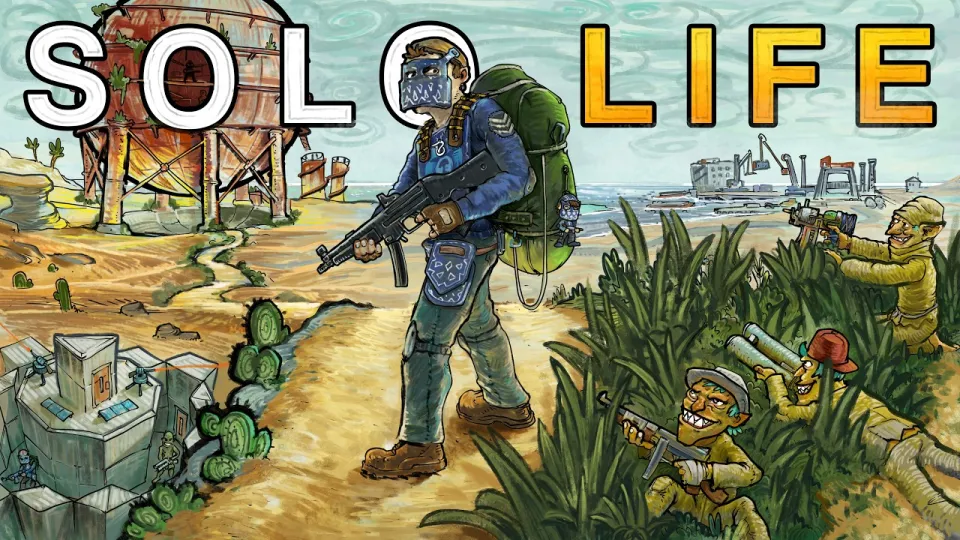
Video: Rust - THE SOLO LIFE V16
Want articles like this for your own video to promote it on YouTube and Google? Order them through the Telegram bot @sat_sit_bot. The bot writes and publishes the articles itself (with your YouTube video embedded) on popular topical websites (no ads). Free trial — 50 articles.
· based on the channel Blooprint
Key takeaways
- Blooprint's The Solo Life V16 shows one player holding a high-value monument while several angry neighbors try to push him out.
- The run includes an online raid defense where two solos end up fighting side by side against a bigger group.
- Dome, cargo and parachute rotations are used to move loot and reposition without a team covering the flanks.
- A friendly neighbor becomes the MVP of the wipe, and viewers push for a duo run with him next.
- The video follows A Solo's Journey 4, continuing a solo-focused direction on the channel.
Rust solo survival means running a monument alone, keeping a small base hidden, and winning fights against groups that outnumber you — and the practical version of that is holding one high-value monument, farming it on a rotation, and turning nearby neighbors into informants instead of enemies. Blooprint's The Solo Life V16 is built around exactly that: one player, an OP monument, and a server full of people who want him gone. If you want to support the channel and grab the sponsor bonus, the War Thunder signup link is here: free War Thunder bonus via Blooprint.
What the solo monument hold actually looks like
Holding a monument as a solo is not about standing in the loot room with a gun; it is about controlling the timing of every visit. A monument like the Dome or a launch-style compound is valuable because it produces components, scrap and crates on a predictable respawn cycle, but it also attracts every group that hears gunfire. The solo version of the strategy is a loop: arrive with minimal gear, clear the puzzle or the crate route fast, stash the loot in a nearby drop box, then leave before the counter-push arrives.
Three things make that loop survivable:
- A staging base close enough to walk, far enough not to be found. A 1x1 or 2x1 with a sleeping bag and a small box cuts the respawn walk to under a minute.
- Two exits from the monument. Stairs, ladders and the outside ledges matter more than the loot itself, because the second exit is what turns an ambush into an escape.
- A parachute or a height advantage. Vertical movement breaks line of sight and lets a solo reset a fight that a group would otherwise win by numbers.
In the video the pressure comes from multiple angry neighbors at once, which is the standard solo failure state: not one big raid, but three small groups poking the same base from different sides.
Base defense against several neighbors at once
Defending a solo base against multiple attackers is a resource-management problem before it is a shooting problem. Groups expect a solo to panic-repair and burn through wood and stone in the first minutes, so the counter is to let them waste explosives on the outer shell while you keep the core intact. Practical priorities during an online raid defense:
- Identify the real breach point. Listen for the direction of pickaxe and explosive sounds and only repair the wall that is actually being hit.
- Keep a second spawn. A sleeping bag in a nearby bush base means dying on the roof is not the end of the wipe.
- Trade with height. Shooting down from a roof or a tower forces attackers to expose themselves on ladders and stairs.
- Use the neighbors. A friendly player nearby is worth more than a turret; in this run a neighbor turns into the standout ally of the wipe and helps swing the defense.
The comment section latches onto that partnership for a reason: two solos cooperating informally during a raid defense is one of the few ways a small footprint beats a group without committing to a full clan.
Movement tools that keep a solo alive
Mobility is the solo player's real armor in Rust, and the video leans on the map's verticality to stay unpredictable. The Dome is a classic solo landmark because the climb is short, the crates are dense, and the top gives a view of anyone approaching. Cargo and open-water routes serve the opposite purpose: they let you farm scrap and components away from the busiest grid while your base stays quiet.
Parachutes change the math on both. Deploying from a high point lets you leave a fight or a monument instantly, and it also lets you reach a rooftop or a cliff base that would otherwise need a full raid to enter. The trade-off is that you are exposed and slow while falling, so the useful habit is to jump only when the pursuer has already committed to a direction.
Reading the fight from the viewer's side
A recurring question in the comments is how a chaotic server turns into a calm, watchable video. The answer is editing rhythm rather than gameplay magic: downtime — farming, sorting boxes, crafting — is compressed, and the tense minutes are left long. That is why viewers single out the night scenes and the LR sight work; the dark segments are genuinely hard to see, and the editing keeps them short instead of pretending the visibility is fine.
Another common observation is that groups chasing a solo are burning their own time. Three players spending fifteen minutes hunting one target are not farming, not raiding anyone else, and not progressing — a useful reminder when you are the one being chased. Running, hiding and forcing that waste is a legitimate win condition for a solo player.
Common solo questions answered from the run
Players watching this kind of wipe tend to ask the same handful of things. First, whether a solo should even contest monuments: yes, but on a schedule — hit them at off-hours, take the crate route, and leave before the respawn crowd forms. Second, whether to trust a friendly neighbor: cooperate on defense and shared fights, but keep your core loot in a stash he does not know about, because informal alliances on a Rust server last exactly as long as the mutual threat. Third, how to handle a group that keeps returning: make the base annoying rather than valuable, with layered doors, a fake loot room, and a spawn point far enough away that they cannot camp both.
Finally, viewers repeatedly ask about the duo idea. Pairing with the neighbor who saved the defense is tempting, but the solo format works because every decision belongs to one player — the moment a second person joins, the base, the farm and the raid schedule all change.
Useful links
- War Thunder free bonus (PC and consoles)
- War Thunder mobile signup
- Blooprint on Twitch
- Blooprint on Kick
- Blooprint on TikTok
Final takeaway
The Solo Life V16 is a clean demonstration of what solo Rust actually rewards: timing over gear, a staging base over a big compound, and relationships over raw firepower. Holding a monument alone is possible if you treat every visit as a timed run, and defending against several neighbors is possible if you let them spend explosives on walls that do not matter. The friendly-neighbor arc is the part viewers remember, and it is also the most transferable lesson for anyone playing without a team. Blooprint built this episode as a solo case study rather than a highlight reel, and the channel's shift toward solo content is the reason it reads that way. If you want to try the sponsor yourself, use the War Thunder registration link to claim the new-player bonus.
Source: Rust - THE SOLO LIFE V16 · Markdown version
Questions & answers
Can you really hold a monument in Rust as a solo player?
Yes, but not by standing your ground. You hold it on a schedule: clear the crate or puzzle route quickly, stash loot nearby, and leave before the respawn crowd and counter-push arrive. A close staging base and a second exit from the monument matter more than the gun you bring.
How do you defend a solo base against multiple attackers?
Repair only the wall actually being breached, keep a spare sleeping bag outside the base, and fight from height so attackers have to expose themselves. Let them waste explosives on the outer shell while your core loot and tool cupboards stay intact.
Is it worth teaming with a friendly neighbor on a solo run?
For raid defense and shared fights, yes — a trusted neighbor can swing a fight that numbers would otherwise decide. Keep the arrangement informal and keep your most valuable loot in a stash he does not know about, since alliances on a Rust server usually last only as long as the common threat.
Why do groups waste so much time chasing one solo player?
Chasing feels productive and is not: three players hunting a single target for fifteen minutes are not farming, raiding or progressing. For the solo player, forcing that waste is a legitimate way to win the wipe without ever taking a fair fight.